Introduction
Marriage in Indian culture has long been tied to traditions, family values, and astrology. One of the most important pre-marriage rituals is Kundli Matching, in which the birth charts of the bride and groom are compared to assess compatibility. For generations, families have relied on horoscope matching to determine whether a couple can build a happy and stable future together.
Traditionally, the process focused primarily on the 36-guna system, also known as Ashtakoota Milan. However, modern astrologers now believe that successful relationships cannot be judged solely by a numerical score. Emotional connection, mental understanding, lifestyle compatibility, and planetary influences also play a major role in married life.
Today, people are increasingly exploring kundli matching beyond the 36 gunas to gain deeper insights into relationship compatibility. A detailed birth chart analysis can reveal strengths, challenges, communication patterns, and long-term relationship potential. This modern approach blends traditional Vedic astrology with practical relationship insights.
What is Kundli Matching in Marriage?
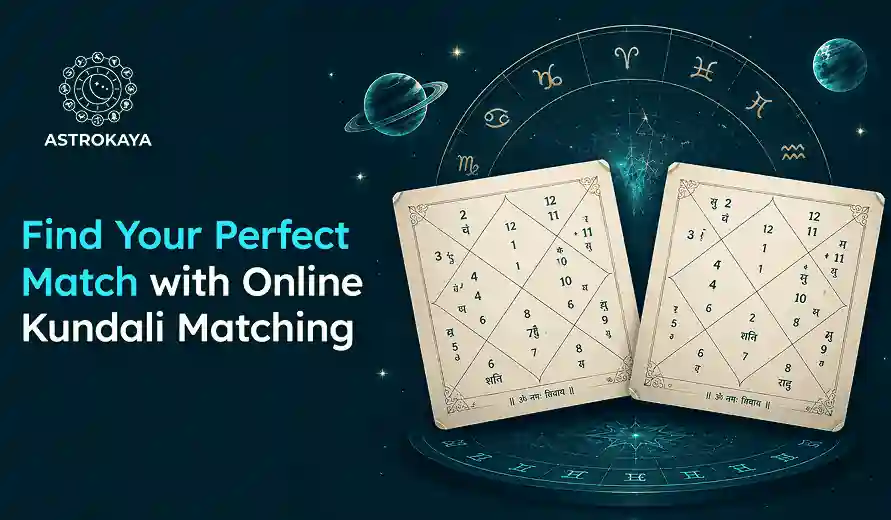
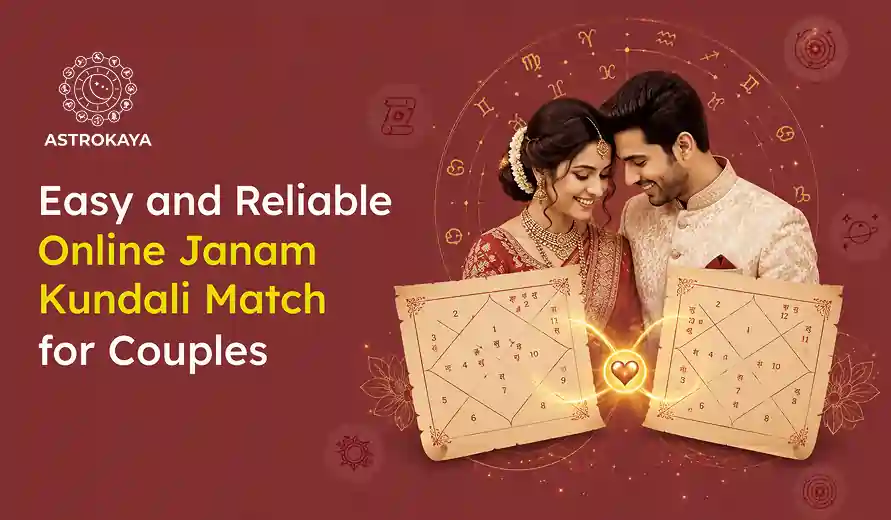
Kundli Matching for Marriage is a Vedic astrology practice used to compare the horoscopes of two individuals before marriage. The process examines planetary positions, zodiac signs, moon signs, and astrological houses to assess compatibility between partners.
The traditional system primarily uses the Ashtakoota method, which evaluates eight compatibility factors. Together, these factors yield a total score of 36 gunas. According to astrology, a higher score generally indicates better compatibility.
The eight gunas include:
Varna
Vashya
Tara
Yoni
Graha Maitri
Gana
Bhakoot
Nadi
This system helps astrologers analyze emotional bonding, health compatibility, mental understanding, and family harmony. However, experts now say that horoscope matching for marriage compatibility should not stop at the guna score.
Understanding the 36 Guna Matching System
The 36 guna matching system has been followed for centuries in Indian marriages. Usually:
18 or below is considered weak compatibility
18–24 is average compatibility
24–32 is considered good
32–36 is considered excellent
Although the system provides a basic overview, it does not guarantee relationship success. Many couples with high scores still face marital challenges, while some with lower scores enjoy stable, loving marriages.
This is why modern astrologers recommend looking more deeply into guna milan for marriage in astrology rather than relying entirely on numbers.
The 36 gunas mainly evaluate general compatibility but may not fully address:
Emotional maturity
Communication habits
Career goals
Financial attitudes
Family expectations
Psychological compatibility
As relationships evolve in modern society, astrological practices are also becoming more detailed and practical.
Why Kundli Matching is Going Beyond 36 Gunas
The concept of kundli matching beyond the 36 gunas has become increasingly popular because relationships today involve more than traditional expectations. Marriage is now seen as a partnership built on communication, emotional support, and shared life goals.
A deeper astrological analysis helps identify:
Emotional strengths and weaknesses
Conflict patterns
Financial stability indicators
Family adjustment possibilities
Career compatibility
Long-term relationship sustainability
Modern astrologers believe that planetary combinations can sometimes outweigh the guna score. For example, a couple with moderate guna matching may still enjoy excellent compatibility if their planetary placements promote harmony and stability.
This broader approach makes Vedic astrology marriage compatibility check more accurate and meaningful for today’s lifestyle.
Important Factors Beyond the 36 Gunas
Manglik Dosha Analysis
Manglik Dosha is one of the most discussed topics in marriage astrology. It occurs when Mars is placed in specific houses in the birth chart. This placement is believed to affect relationship harmony and marital stability.
However, modern astrologers carefully analyze the intensity of the dosha rather than simply rejecting a match. In many cases, planetary combinations can reduce or even cancel its effects.
Moon Sign Compatibility
The moon represents emotions, mental stability, and emotional reactions. Strong moon compatibility often indicates better communication and emotional understanding between partners.
This factor is extremely important for marriage compatibility based on birth charts because emotional balance plays a major role in long-term relationships.
Venus and Mars Placement
Venus represents love, romance, attraction, and relationship happiness. Mars represents passion, energy, and physical compatibility.
The relationship between these planets can reveal:
Romantic chemistry
Physical attraction
Emotional bonding
Relationship satisfaction
A detailed analysis of Venus and Mars helps astrologers understand relationship dynamics beyond basic guna matching.
Dasha and Planetary Timing
Dasha periods represent planetary cycles in Vedic astrology. Even a highly compatible couple may face challenges if difficult planetary periods occur after marriage.
This is why astrologers analyze:
Current dasha periods
Upcoming planetary transitions
Long-term astrological timing
Understanding these factors makes astrology-based marriage prediction more practical and realistic.
Navamsa Chart Analysis
The Navamsa chart, also known as the D9 chart, is considered one of the most important charts for analyzing marriage.
It helps astrologers study:
Marriage stability
Relationship maturity
Spiritual connection
Long-term compatibility
Many astrologers consider the Navamsa chart more important than guna matching.
Emotional and Practical Compatibility in Marriage
Modern relationships require emotional intelligence and mutual understanding. A successful marriage depends not only on astrology but also on practical compatibility.
Emotional Compatibility
This includes:
Communication style
Emotional support
Trust levels
Conflict resolution ability
Lifestyle Compatibility
Partners should also align in:
Career goals
Financial planning
Family values
Future expectations
Psychological Compatibility
Mental health, maturity, and personality differences significantly influence relationship success.
A complete horoscope matching for marriage compatibility considers all these aspects together.
Common Myths About Kundli Matching
Myth 1: 36/36 Means Perfect Marriage
A perfect guna score does not guarantee a problem-free relationship. Human behavior, communication, and life circumstances also play a role.
Myth 2: Low Guna Scores Mean Marriage Failure
Many successful couples have lower scores yet strong emotional understanding and supportive planetary placements.
Myth 3: Astrology Alone Decides Marriage Success
Astrology offers guidance, but mutual respect and effort are equally important.
Myth 4: Manglik Dosha Always Creates Problems
Modern astrology recognizes many cancellation combinations that mitigate the effects of Manglik Dosha.
Understanding these myths helps people approach the importance of kundli matching in Indian marriages with a balanced mindset.
Modern Approach to Kundli Matching
Today’s astrologers combine traditional astrology with practical insights into relationships. Instead of focusing solely on numbers, they analyze:
Emotional connection
Communication patterns
Individual personality traits
Life goals
Relationship expectations
This balanced approach makes the Vedic astrology marriage compatibility check more useful for modern couples.
Many relationship experts also encourage couples to discuss:
Career priorities
Family responsibilities
Financial planning
Children and parenting
Personal boundaries
Astrology works best when paired with honest communication and mutual understanding.
Should You Depend Completely on Kundli Matching?
Kundli matching should be viewed as a guiding tool rather than the final decision-maker. Astrology can help identify compatibility patterns and potential challenges, but successful marriages ultimately depend on:
Trust
Respect
Communication
Emotional maturity
Commitment
A balanced approach helps couples use astrology wisely without becoming overly dependent on it.
The goal of Kundli Matching for Marriage should be clarity and understanding, not fear or confusion.
Conclusion
Marriage compatibility runs much deeper than simply matching 36 gunas. While traditional guna matching remains important in Indian astrology, modern relationships require a broader understanding of emotional, mental, and practical compatibility.
Today, kundli matching beyond the 36 gunas includes planetary analysis, emotional compatibility, Navamsa charts, dasha periods, and lifestyle alignment. This detailed process offers a more realistic picture of long-term relationship potential.
Astrology can guide couples toward greater understanding, but mutual respect, communication, and commitment remain the true foundation of a successful marriage. A thoughtful blend of traditional wisdom and practical relationship awareness fosters stronger, healthier partnerships.
Tags
Frequently Asked Questions
Explore AstroKaya
Get your personalized birth chart and connect with expert astrologers.